KABI: towards a local, low-emission egg model in Gipuzkoa
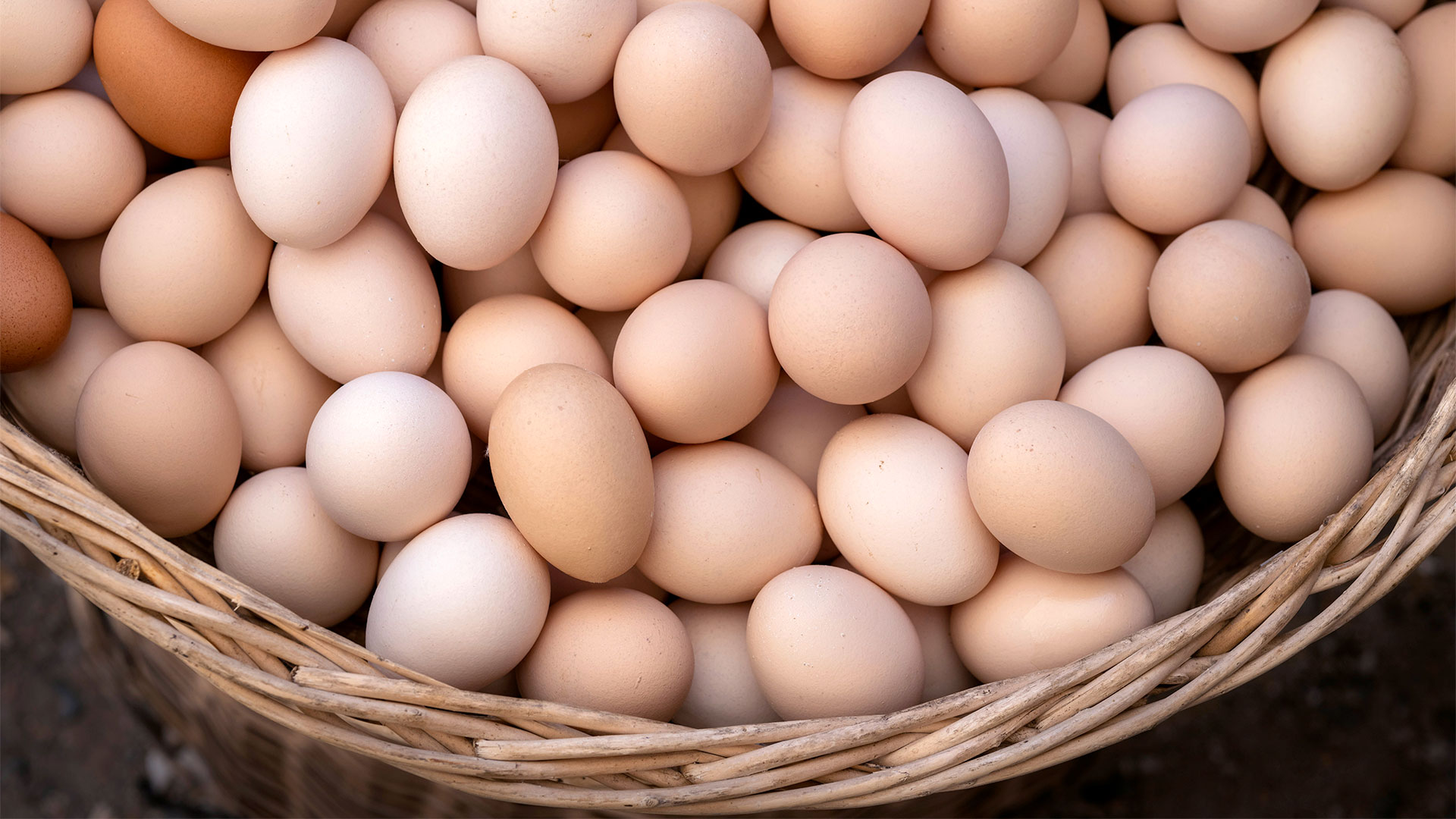
KABI – Arrautza jasangarriaren bertako bidea is an innovation project aimed at advancing towards a local, low-emission egg production model in Gipuzkoa, while strengthening the sustainability, competitiveness and local roots of primary production. The project is being driven by EUSKABER, EROSKI and BC3 – Basque Centre for Climate Change.
One of the project’s main areas of work is hen feed, given its significance to the carbon footprint of egg production. KABI will analyse feed solutions based on locally sourced resources and/or by-products, assessing their availability, traceability, technical and economic feasibility, and potential to reduce environmental impact and make farms more self-sufficient in feed. As a benchmark, KABI aims to assess solutions that could deliver at least a 15% improvement in the carbon footprint of the current model under analysis.
Alongside the production and environmental aspects, KABI will also focus on consumers. EROSKI will lead the analysis of how different types of eggs are perceived and which attributes consumers associate with local origin, sustainability, animal welfare, lower emissions, price and quality. The aim is to identify barriers to understanding and generate insights that will help communicate the value of local, sustainable eggs more clearly.
The collaboration between EUSKABER, EROSKI and BC3 will enable the challenge to be addressed from three complementary perspectives: local production and the realities faced by farms; retail and consumer engagement; and the scientific assessment of environmental impact. The findings will also be used to explore the conditions required to replicate and scale up the model across Gipuzkoa.