BIOLABEL: new compostable labelling solutions for fruit and plants
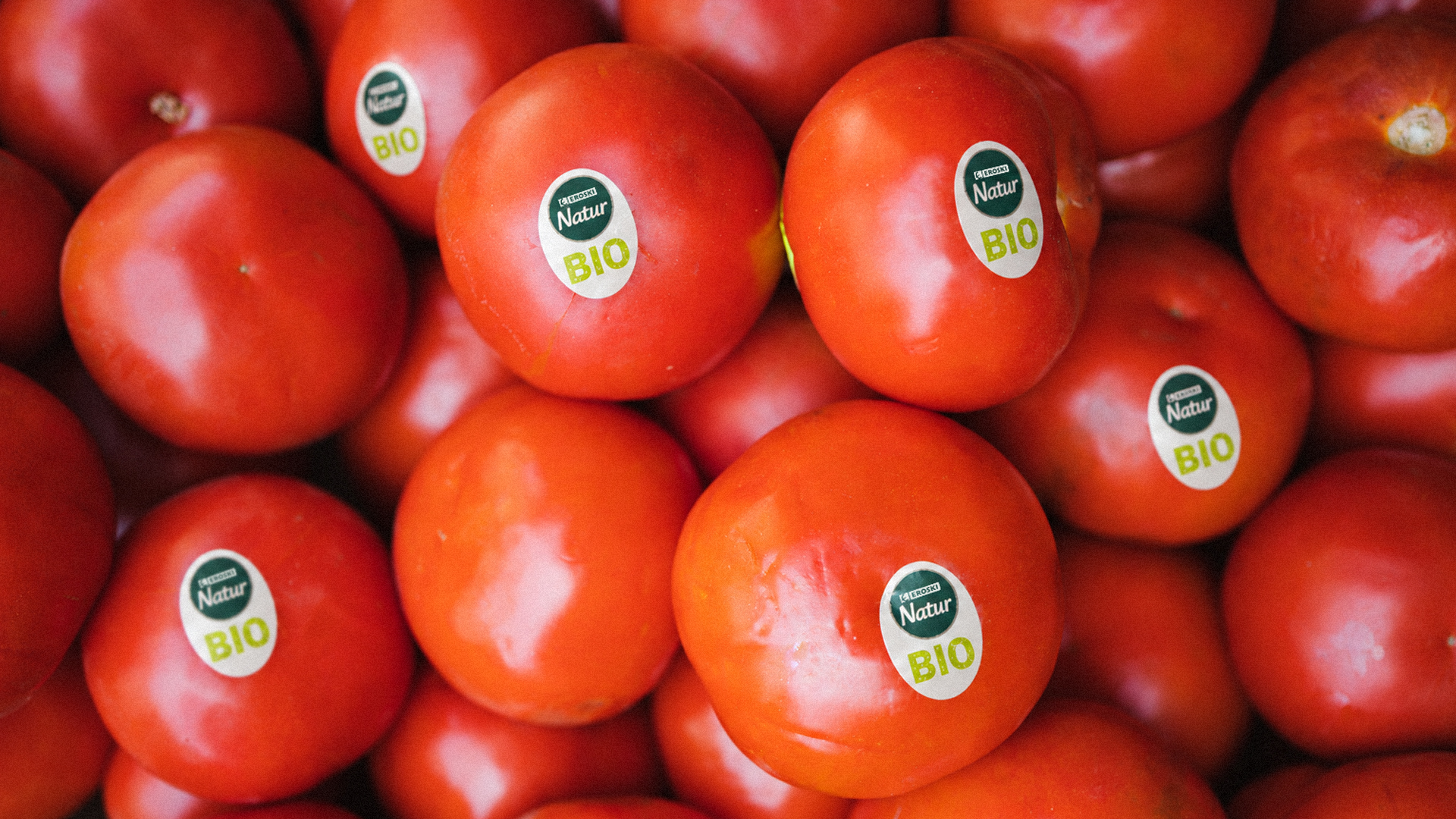
The BIOLABEL project aims to develop and validate new compostable labelling solutions for fruit, vegetables and cultivated plants, helping to reduce the use of conventional plastics and improve the management of organic waste.
At present, many labels used on these products contain materials, adhesives, and inks that make them difficult to manage at the end of their useful life. To address this challenge, BIOLABEL is working on the eco-design of labels made from renewable materials that retain the properties required for real-world marketing conditions and are compatible with industrial composting processes.
The project takes a comprehensive approach to developing these solutions, considering not only the materials and manufacturing processes, but also their behaviour during transport, storage, and sale, as well as their environmental impact at the end of their useful life. To this end, functionality and compostability tests will be carried out alongside a life cycle assessment, enabling the new solutions to be compared with conventional labels.
EROSKI is taking part in the project by contributing its expertise in the retail sector, helping to define the requirements that the new labels must meet and contributing to their validation under real-world commercial conditions. It will also be involved in assessing consumer acceptance of these solutions and analysing how to communicate their environmental characteristics clearly and comprehensibly.
BIOLABEL is led by BIOLID, a company specialising in the development and manufacture of labels. It involves EROSKI and GARAIA, in collaboration with the GAIKER technology centre. The project will run from April 2026 to December 2027.
With this initiative, EROSKI is strengthening its commitment to innovation and the circular economy, promoting more sustainable labelling solutions that help reduce the presence of non-compostable materials in organic waste, and facilitate the transition towards consumption and distribution models with a lower environmental impact.