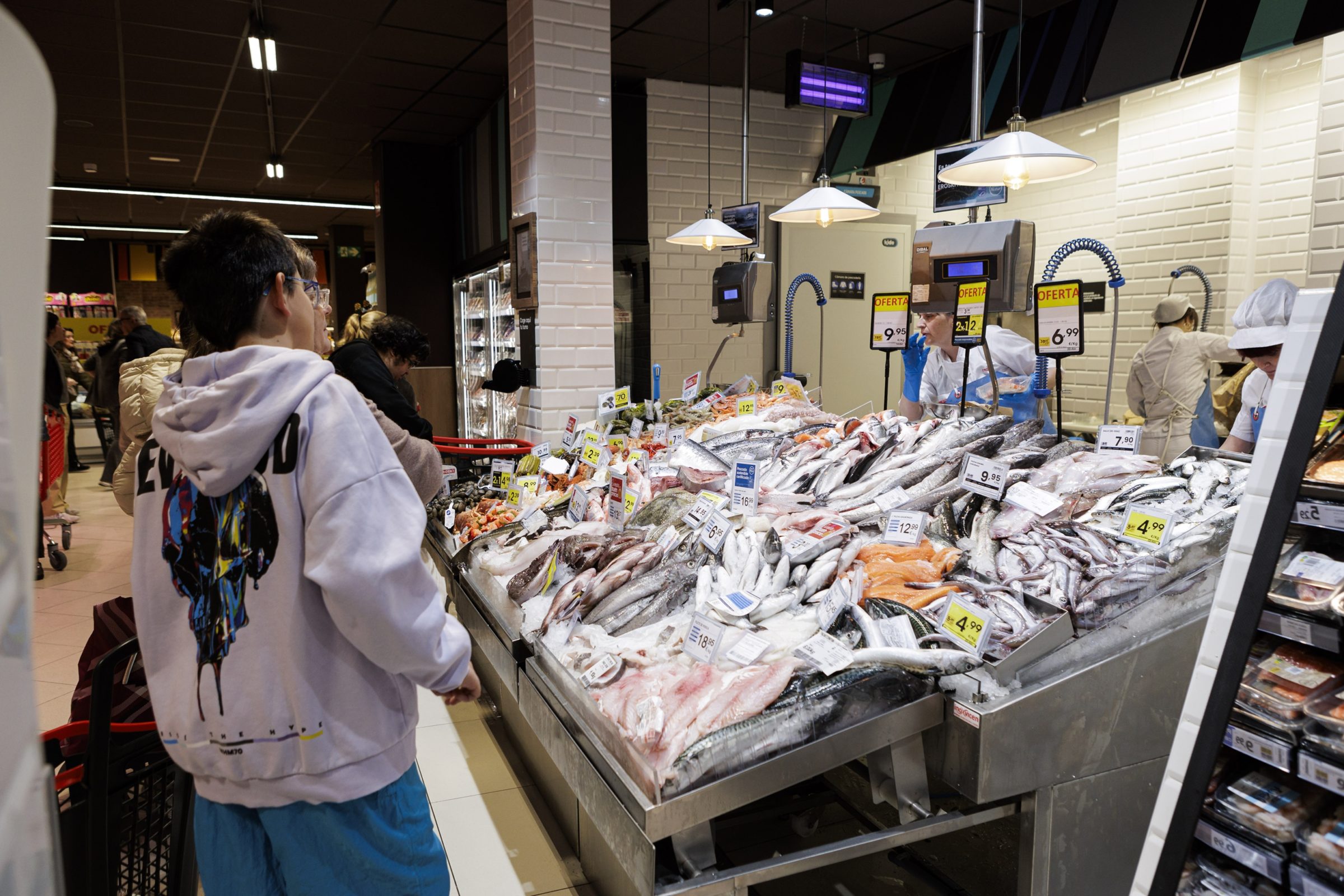
Spanish households with children have the worst food profiles
“How do we eat? Analysis of food and beverage consumption from a nutritional perspective (2022-2024)"
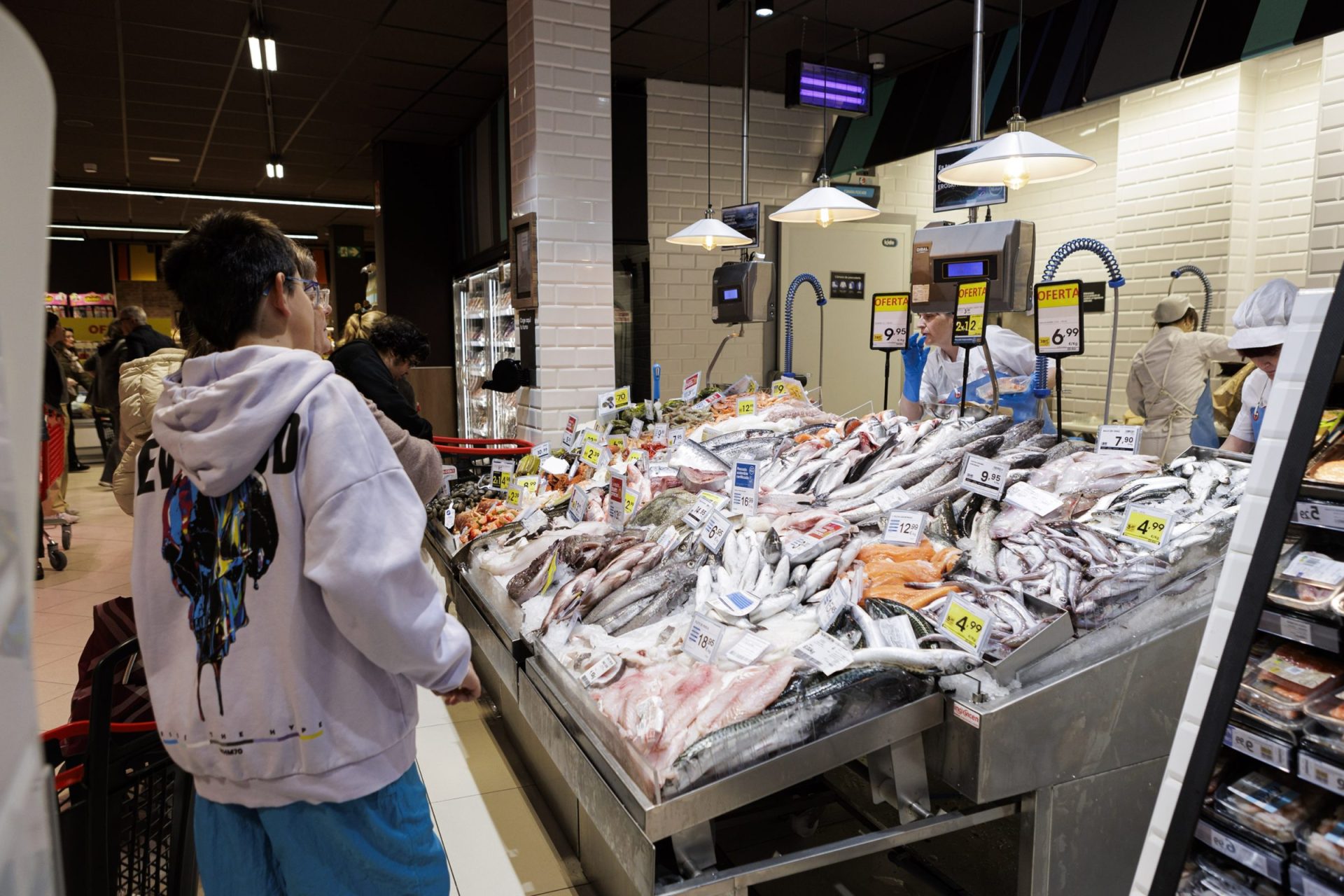
- The time available influences the quality of the diet: households with active purchasing managers present a worse diet (72.13% vs. 74.88%), with a lower consumption of frescoes and a greater presence of convenience products.
- Households in Spain do not comply with healthy recommendations: the consumption of fruits, vegetables, fish, legumes and nuts is below the recommended.
- At an older age, the diet is more balanced and healthy, although the data is getting worse.
The EROSKI Foundation presents the second part of the study “How do we eat?” Analysis of food and drink consumption from a nutritional perspective”, prepared from data from the Consumption Panel of the Ministry of Agriculture, Fisheries and Food (MAP) between 2022 and 2024. This study delves into how different variables, such as the presence of children at home, work activity, age, household size, type of household or social class, influence the quality of the diet and confirms that Spain has not yet reached a fully healthy level of diet.
In general terms, daily and frequent recommended foods account for 73.45% of the total volume consumed in 2024, while occasional or very occasional recommended foods account for 26.55%. Among the most recommended groups, daily consumption reached 43.01% and frequent consumption 30.45%. Even so, the study confirms that there are still significant imbalances in the composition of the basket, with insufficient evolution to approach the recommended consumption patterns.
In addition, the analysis reveals that none of the key categories meet the nutritional recommendations: consumption covers only 64.5% in fruits and vegetables, 44.9% in nuts, 26.9% in legumes and 60.8% in fish.
[Households with children: lower nutritional quality, although with slight improvement]
One of the main findings of the study is the impact of the presence of children in the home. Households without children have a better food profile, with a weight of 74.18% in the most recommended foods, compared to 71.66% in households with children from 0 to 6 years and 70.46% in those from 6 to 15 years. The difference is especially significant in daily recommended consumer products, which falls from 44.55% in households without children to 37.14% and 37.81%, respectively. There is also a lower consumption of key foods such as fruit (16.81% vs. 13.16% and 12.77%), vegetables (13.84% vs. 11.18% and 11.10%) and fish (4.00% vs. 2.85% and 2.98%).
In parallel, the weight of less recommended products increases, reaching 28.34% in households with young children and 29.54% in those with older children, compared to 25.82% in households without children. The highest consumption of pre-cooked food (3.08% and 3.23%) and sweet food and beverages (15.93% and 16.25%) stands out. However, the evolution compared to 2022 is slightly positive: the weight of the most recommended foods grows by 1.47 percentage points in households with children from 0 to 6 years and by 1.43 points in those from 6 to 15 years, although they remain below the national average.
[The time available, a determining factor in the quality of the diet]
The study confirms a clear correlation between available time and food quality. In households where the person responsible for the purchase is active, the weight of the most recommended food is 72.13%, compared to 74.88% in households with a non-active person.
This difference is accentuated in daily recommended consumption (40.77% vs. 45.42%) and in categories such as fruit (14.58% vs. 17.42%), vegetables (12.82% vs. 13.70%) or fish (3.54% vs. 4.01%). By contrast, consumption of convenience products such as pre-cooked food (2.81% vs. 1.91%) and sweet foods (14.55% vs. 12.65%) increased.
Although these households show a positive evolution compared to 2022 (+0.71 points in recommended consumption), they remain below the average, which reinforces the impact of lack of time on eating habits.
Age improves the diet, but the older ones begin to deteriorate it
The age of the purchasing manager is consolidated as one of the most determining factors. The daily recommended consumption goes from 37.11% in children under 35 years of age to 47.93% in those over 65, a difference of more than 10 percentage points.
The consumption of fruit (11.45% to 19.37%) and fish (2.58% to 4.31%) also increased, while the least recommended products decreased (30.06% to 22.98%).
However, the study detected a slight recent deterioration in older households, which fell by 0.90 points in the weight of the most recommended foods, which could reflect a progressive loss of adherence to the Mediterranean diet.
The size of the home and the family typology also determine the diet
The size of the household directly influences the quality of the diet. The higher the number of members, the lower the weight of the most recommended foods: from 74.89% in single-person households to 71.63% in households with four or more people.
This pattern is reinforced by analyzing the typology of the home. Retirees have the healthiest profile, with 77.33% of consumption in more recommended categories and 48.25% of daily recommended consumption, while young independent people (69.59%) and single-parent households (71.41%) are below the national average.
In addition, the latter combine a below-average position with a negative evolution, which places them among the groups with the highest nutritional risk.
[Consumption trends and the challenge of moving towards a more balanced diet]
The study identifies a trend common to all segments: the increase in meat consumption (including processed meat) and the reduction in fish consumption, which implies an imbalance from the nutritional point of view and evidences a progressive loss of adherence to the traditional patterns of the Mediterranean diet. There is also a growing presence of convenience products, especially in urban environments, a trend associated with changes in lifestyles and lack of time, which reinforces the need to ensure that these solutions also respond to adequate nutritional criteria.
“The data reflect that food in Spain continues to have important areas of improvement, especially in households with children and young people. From our role in food distribution, we have a responsibility to provide healthy and accessible options, accompanying families in improving their eating habits“Alejandro Martínez, director of Fundación EROSKI, assures us.
About FUNDACIÓN EROSKI
EROSKI Foundation is an initiative promoted by EROSKI in 1997 with the aim of transferring to society multiple initiatives of social action, mainly related to research, innovation, promotion, education and protection of consumers and the environment, ensuring a healthy diet and lifestyle habits; thus fostering a more just, solidary and cohesive society, always with intercooperativism as the axis of its philosophy of action.