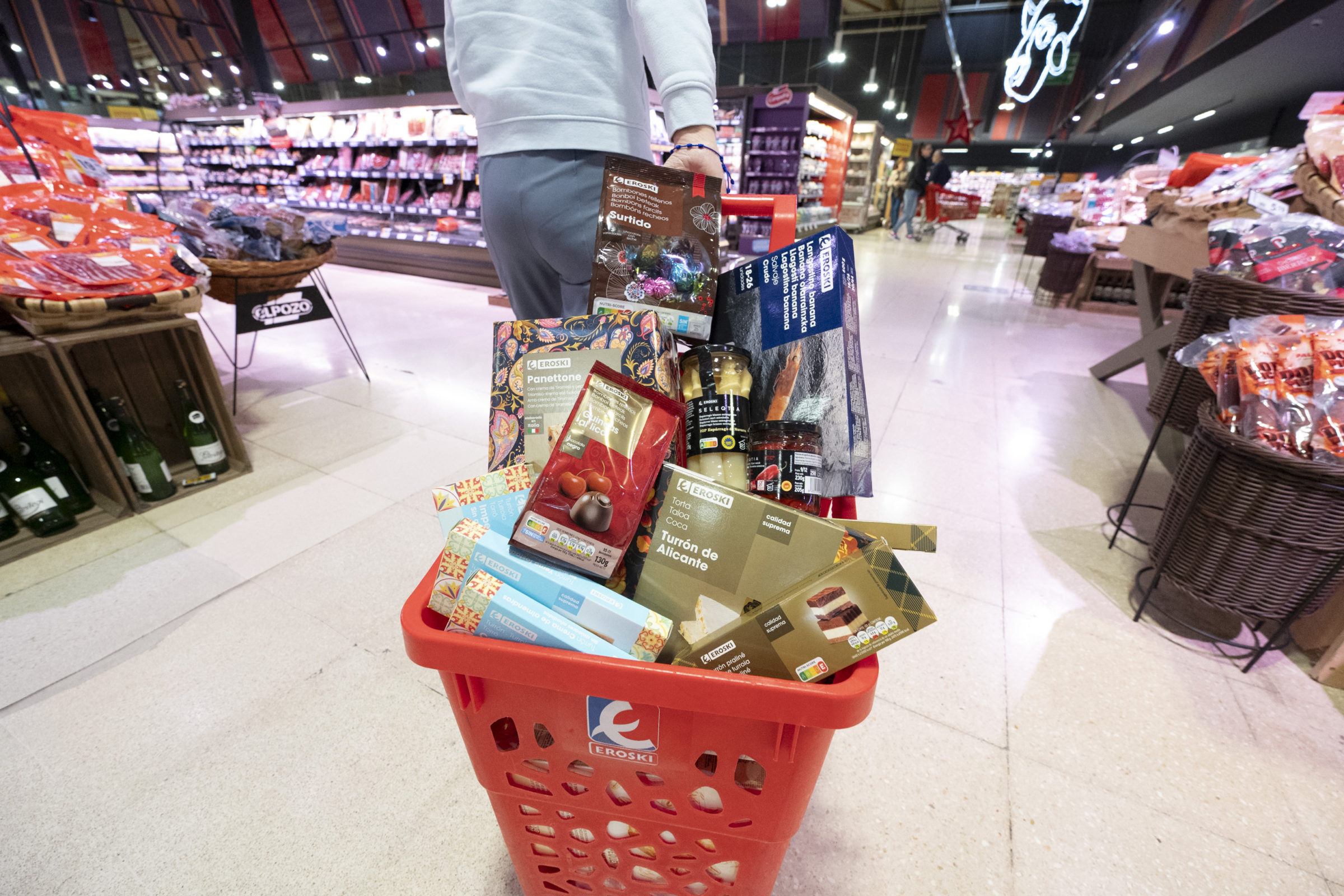
EROSKI states that Spanish households increase their food spending by 30% during the Christmas period, and that the company is investing €44 million in special promotions as a measure to support consumer savings.
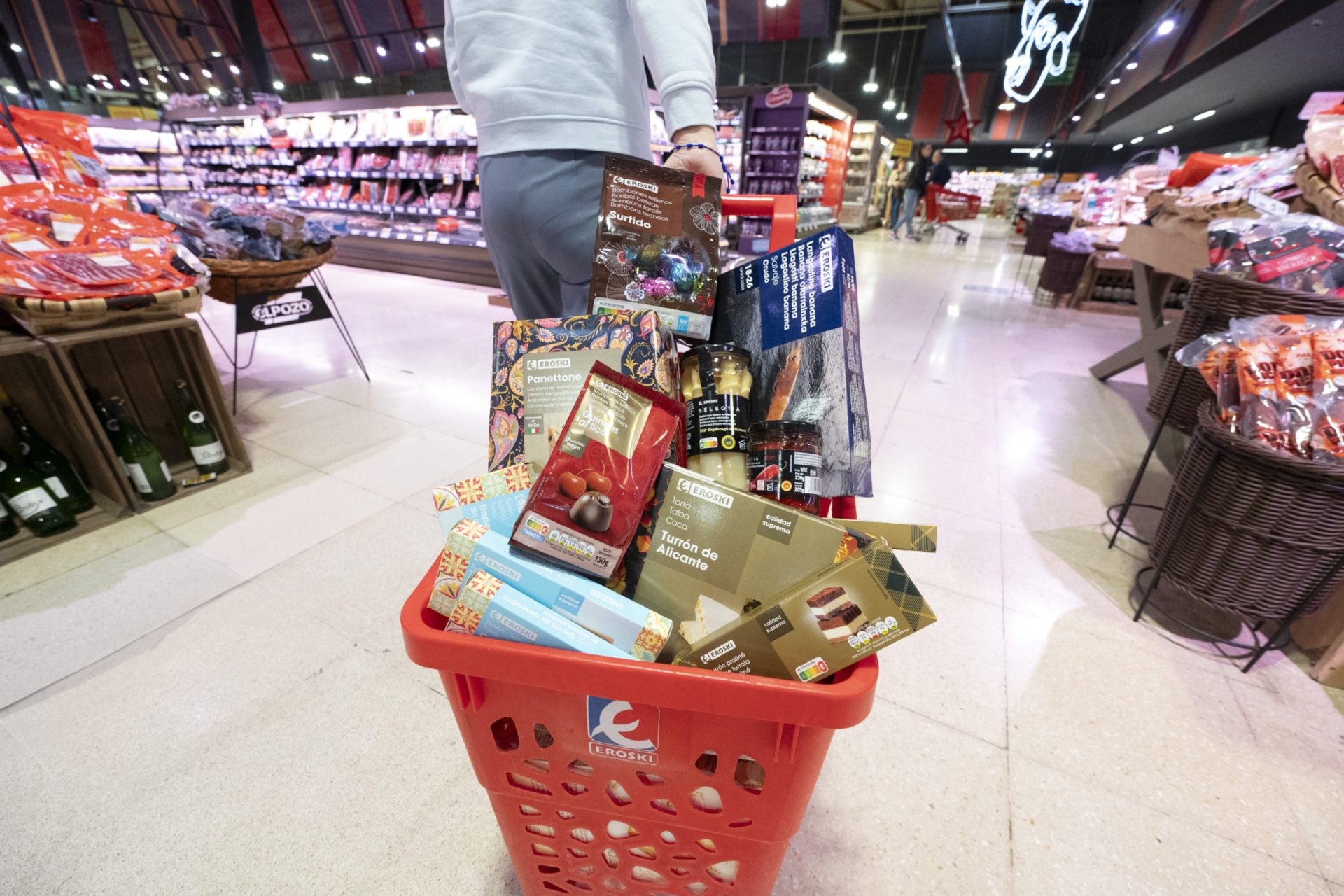
- Christmas product categories account for 46% of total spending in December, with chocolates, fish and seafood (both fresh and frozen), and beverages standing out as the main products.
- Festive categories are present in 2 out of 3 shopping baskets during this period, and the average additional monthly expenditure will be €120 per household during December.
- All customer profiles increase their spending in December and in Christmas categories, but senior consumers spend more on food and fresh products, while younger households spend more in non-food categories.
- The Basque Country and Madrid lead the increase in spending with a 37% growth, followed closely by Castilla-La Mancha (+36%).
- With the campaign “Feliz Cesta Propia”, :contentReference[oaicite:0]{index=0} invites consumers to enjoy a more conscious and affordable Christmas, promoting its private label as a guarantee of quality and savings.
Spanish households increase their food spending by around 30% during Christmas, according to EROSKI. This increase, which translates into an average additional expenditure of €120 per household, is explained by a higher shopping frequency (11 visits compared to a monthly average of 10) and the growing weight of typically Christmas-related categories, such as chocolates, fresh and frozen fish and seafood, and beverages, with sparkling wines and wines with Designation of Origin standing out. The data remains stable compared to the previous year.
Comparison by Autonomous Communities and household type
According to Eroski, there are differences in additional spending across Spain’s regions. The Basque Country and Madrid lead the growth with a 37% increase, closely followed by Castilla-La Mancha (+36%).
While all household types increase their spending during this period, they do not allocate their budgets in the same way: senior consumers increase their spending by 40%, mainly on fresh food and groceries, confirming their role as the main hosts during the holidays.
As for younger households, they double or triple their spending on non-food products, especially in categories such as toys, consoles, and video games.
Christmas categories: the stars of the shopping basket
Nearly half of December spending — 46% — is allocated to typical Christmas products, which become the main drivers of the shopping basket. Among the most in-demand and fastest-growing products per store and day in December are: nougat, chocolates, and traditional sweets (x8); deli products, such as Iberian cured meats (x3); cava, wines, and other beverages (x3); fresh or frozen fish and seafood (x2); and premium meats such as lamb and beef (x2).
Hypermarkets consolidate their position as the preferred channel for Christmas shopping. This is where consumers spend the most during this period (+18%), and also where baskets and visits grow the most (+20%), with a 4% increase in sales and an average ticket 20% higher than the rest of the year.
Investment and promotions for household savings
In response to customer needs, EROSKI will invest €44 million in special Christmas promotions. The “Feliz cesta propia” campaign will include significant discounts on more than 100 key products such as fish, meat, canned goods, nuts, cava, wines, and sweets. In addition, offers such as 70% off the second unit on 2,000 products, personalized coupons, and surprise promotions will be launched. Today, 29% of its sales come from private label products, a range that is consolidating as a trusted option also during Christmas thanks to its excellent value for money and its continuous evolution towards healthier and local alternatives.
Trends and outlook for Christmas 2025
The Bank of Spain indicates that consumer confidence continues to rise, pointing to a more dynamic Christmas consumption period.
Since 2021, there has been a trend toward delaying Christmas category purchases. In 2023 this pattern slightly corrected, although it did not return to previous levels. In 2024, a clearer shift is observed, with a higher share of purchases made in October compared to previous years (+1 pp), although December still accounts for nearly 50% of Christmas product spending.
“This year we are observing more planned purchasing behavior, with customers comparing, anticipating, and looking to make the most of promotions,” explains Beatriz Santos, Commercial Director of EROSKI Group. “Although inflation has moderated compared to recent years, saving remains a priority. That is why we have strengthened our offer with more direct discounts and personalized coupons, so families can enjoy Christmas without giving up quality or the products they love most.”
With this strategy, EROSKI reinforces its role as a key ally for Spanish households, offering a complete shopping experience that combines quality, savings, and proximity.